
How to Shut Down and Secure a Kodiak 100 for Overnight Parking
Note: This article is for reference and educational purposes only. Shutdown and securing procedures may vary by airport, FBO, and operating environment. This is not a substitute for your Pilot's Operating Handbook (POH) or any applicable operator requirements. Always refer to your current POH and consult a qualified flight instructor or Kodiak-authorized training provider.
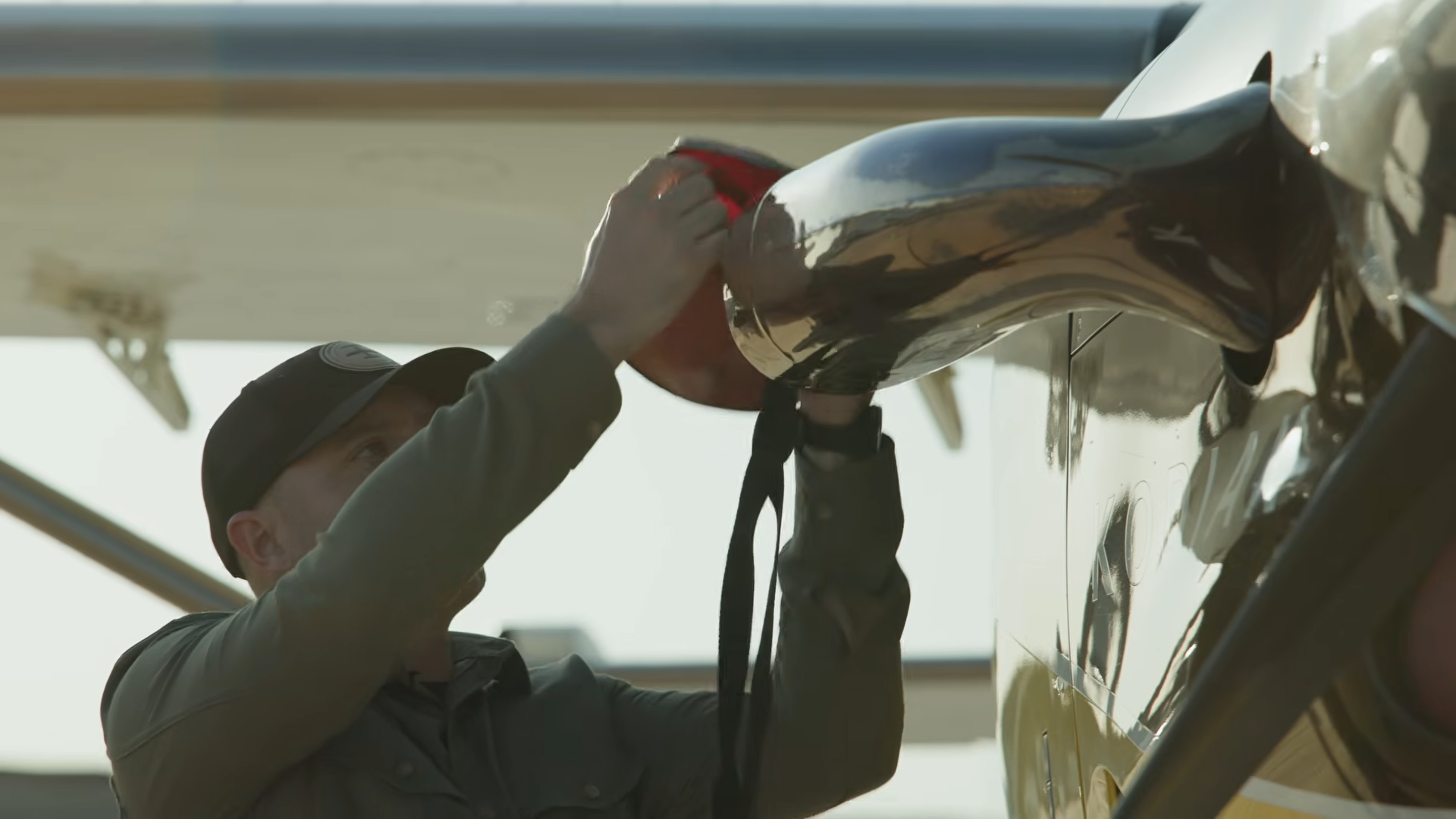
Not the most glamorous topic in aviation, but it's one that matters. After more than a decade flying Kodiaks — pretty much all of them, across every environment — I've seen more control surface damage, dead batteries, and preventable maintenance issues than I care to count. Most of it happens on the ground, overnight, because someone skipped a step or rushed through the securing process.
Here's how I do it, start to finish. Fair warning: there are different techniques and different airports have different requirements, so this isn't the only way. It's just what I do, and why.
After Landing — Before Shutdown
A few things normally happen on the runway or during taxi that we're going to work through here first.
Flaps: Standard practice after landing is to bring flaps up. But if you're on a backcountry strip, leave them at 20. If you start up the next morning and have a flap malfunction at zero flaps, you're in a difficult spot — takeoff roll at flaps zero can be double or more what it is at flaps 20. On a short field with no services, that's not a problem you want. Leaving flaps at 20 means that even with a malfunction, you can still get out and get somewhere with help.
Fuel condition / AC: Normally I'd bring the fuel condition lever back to low idle after landing. If the AC is running, I keep it bumped up enough to maintain 58% Ng — that's the minimum for the air conditioning system to run on the Kodiak 100. Newer software includes an AC inhibit function below 58%, but best practice is to manage it manually regardless.
Trims: Reset to takeoff.
Ice protection: Pitot heat off, engine inlet back to normal for next startup.
Lights: Everything off except the beacon. I leave the beacon on any time the master switch is on — it's the visual cue from outside the airplane that tells you power is still on. On every airplane we manage, that's the rule.
Shutdown Checklist
Once the after-landing flow is done:
Environmentals off — AC, cockpit and cabin climate control
Ice protection and remaining lights off as needed
Startup panel — fuel pump off, auxiliary bus off, generator off, alternator off. Expect some annunciations when those come offline.
Feather the prop
Fuel condition to cutoff — engine shutdown
Both fuel tanks off — this is important, especially on any kind of slope. With both tanks on, fuel can crossfeed from one side to the other. Turn them both off.
Log your times — take photos of the hobbs and tach before shutdown if needed, so you have your fuel and times documented for the next flight planning session.
Master and avionics off
Securing the Cockpit
Control lock — don't skip this. The yoke-mounted control lock secures the ailerons and elevator and it is, in my opinion, the single most important item in the securing process. Jet blast, high winds, a busy ramp — any of it can cycle your control surfaces repeatedly through the night. I've seen real damage come from this, more times than I'd like. If the airplane is outside overnight — or even parked for a few hours at a busy FBO — the control lock goes in.
Close the doors properly. This sounds obvious, but it's one of the most common things I see people get wrong. The Kodiak 100 and 900 doors will appear closed and stay in position without actually being latched. Anyone can walk up and open them. To properly close and secure the cockpit door, pull it all the way down until it latches. Then lock it. Now it's actually closed.
Covers and Plugs
Prop anchors — on every time. A PT6 spins freely, and if a tow bar is hooked up and there's wind, the prop can rotate right into it. Most FBOs require prop anchors; put them on regardless.
Inlet plug — on, to keep birds and debris out of the engine overnight.
Pitot covers — on, especially if there's any chance of precipitation or freezing temps.
Outlet duct and horizontal closeout plugs — these are available on some Kodiaks, but I'll be honest: they tend to fall out in the wind, and in certain conditions they create more risk than they prevent. On a calm day at a sheltered FBO, you can make a case for them. In wind, or if you're not going to be around to check them before startup, use your judgment.
Post-Flight Fluid Check
While you're doing your walkround with the covers, take a minute to look at your oil, brake fluid, and general fluid levels. It's not a full preflight — just a baseline check. That way, when you come out the next morning, you'll have a sense of whether anything changed overnight. Small leaks are a lot easier to catch and address early.
While you're on the right side, you can also drain the fuel filter if you want to — there's a drain in the inspection panel on the engine compartment. You'll need a fuel jar to collect what comes out. Not required after every flight, but worth doing periodically.
EPA can — after approximately three shutdowns, the EPA can (which collects unused fuel and oil blowby from the system) should be drained. It sits on the firewall near the cargo pod. The drain is next to the gold breather tube — the mast that's the breathing line for the fuel and oil system. A few drops of oil from the breather tube after shutdown is completely normal. If you don't empty the EPA can before it's full, it'll drain on the ground on its own at the next shutdown. Better to control it yourself.
Parking Brake
One more thing: if you're at an FBO that needs the ability to tow the aircraft overnight, leave the parking brake off and confirm they have the airplane chocked. An FBO that can't move your aircraft if they need to is an FBO that's going to be unhappy — and potentially one that moves it anyway without the right setup.
The Full Securing Checklist
Flaps at 20: Backcountry strips only — leave for flap-malfunction protection
Fuel tanks off: Both tanks — prevents crossfeed on sloped surfaces
Control lock in yoke: Every overnight, every busy ramp
Doors properly latched: Pull all the way down — not just resting in position
Prop anchors on: Prevents prop rotation into tow bar
Inlet plug: Keeps birds and debris out of PT6
Pitot covers: Especially important for precipitation or freezing temps
Beacon off / master off: Confirm beacon is off before walking away
Fluids checked: Baseline for overnight leak detection
EPA can drained: Every ~3 shutdowns
Parking brake: Off if FBO needs to tow; confirm chocked
None of this takes long. Build it into your flow and it becomes second nature. The airplane will thank you for it.
For questions about Kodiak training, management, or acquisition, reach out to us at 11-aviation.co.
— Mark Brown, 11 Aviation